If you’re planning a Scuba dive on the Great Barrier Reef and wondering about flying after that, well, here’s the straight-up truth: you should wait at least 18 to 24 hours before getting on a plane. This gives your body time to eliminate excess nitrogen, reducing the risk of decompression sickness.
I’m Paul, and I’ve been around the block a few times, guiding reef itineraries for years now, and I have to say, this is one of the parts of planning a trip that travellers always try to cut corners on. You’ve just had an incredible few days underwater, you feel fine, the flight to Sydney is a short one, surely it’ll be alright? Wrong. The 24-hour Buffer is not a suggestion; it’s a safety margin established over decades of diver training data and hyperbaric medicine.
Let’s get into what’s happening in your body, why the pressure changes on an aeroplane are a problem, and how to plan your reef trip right – especially if you’re dealing with operators like Great Barrier Reef Tour.
Why Nitrogen Is The Real Risk
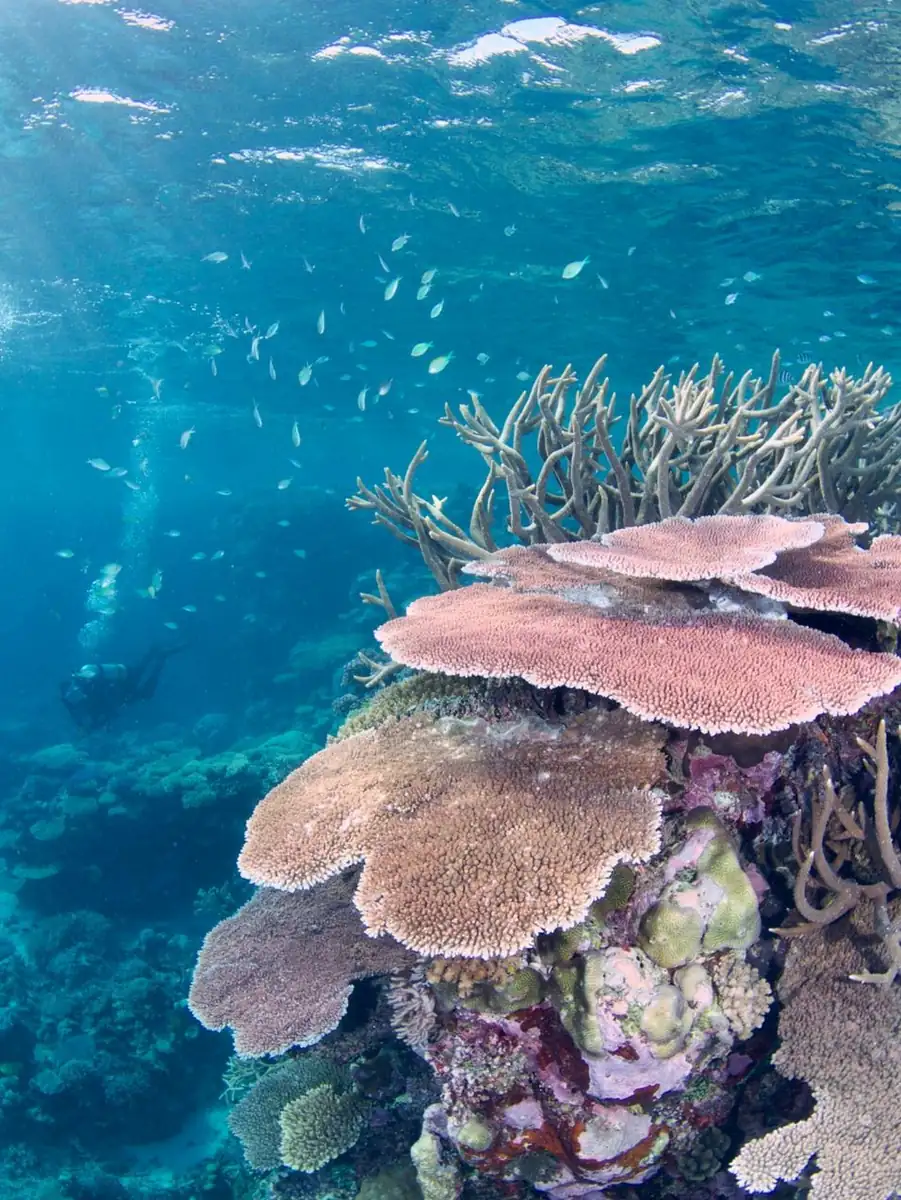
When you dive, the surrounding pressure increases with depth. More nitrogen dissolves into your blood and tissues. Your scuba gear supplies compressed air, which also contains nitrogen. And under higher pressure, your body just absorbs more of it.
Dive computers keep track of dive profiles and all that jazz. They help you avoid trouble. You ascend slowly, do your safety stops when you’re supposed to. All that reduces the risk a bit.
The thing is: nitrogen doesn’t just magically disappear when you surface. It’s still in your body and takes a while to come out. If you then decrease ambient pressure again before your body has cleared the nitrogen out of your system, bubbles can form. Those nitrogen bubbles are what cause decompression illness.
It’s not opinion; it’s real physics, well documented in the US Navy Diving Manual and the latest hyperbaric research.
Why Planes Cause A Second Pressure Drop
Aeroplanes are pressurised, but they’re not at sea level. That means the cabin pressure is actually lower than what you’d find at the beach in Cairns. And when your body is under lower pressure, the dissolved nitrogen in your system expands.
If you haven’t given your body enough time to recover before you fly, the risk of decompression sickness goes up.
It doesn’t matter that you’re flying from Sydney to Melbourne or on a long haul to Boston. It’s the pressure change that’s the problem, not how far you’re flying.
Think of it like this: you reduce pressure as you ascend from the dive site. Then you reduce it again while flying. If the second step happens before your body’s had a chance to fully recover, you increase the risk of decompression injuries.
Recommended Wait Times Before You Fly
Diving guidelines are standard worldwide. For a quick reference:
| Diving Pattern | Minimum Wait Before Flying |
|---|---|
| Single no-decompression dive | 12–18 hours |
| Multiple dives in one day | 18 hours |
| Repetitive diving over several days | 18–24 hours |
| Decompression dives | 24+ hours |
For multi-day reef trips, I always say you need at least a full 24 hours on land between diving trips – that gives you a nice buffer and takes into account the cumulative physical toll of repeated diving on your body.
Your dive guide or instructor will likely agree, and reputable operators like Great Barrier Reef Tours have this in mind when they plan itineraries – they know what they’re doing for a reason.
What Decompression Illness Actually Looks Like

The thing is, Decompression Sickness isn’t always a wild drama fest – symptoms can start off mild and then escalate.
Some possible signs are:
- Joint pain is making you feel like an old person
- Feeling completely knackered
- A skin rash is breaking out
- Numbness or tingling in your extremities
- Neurological signs like weakness or confusion
- And in a tiny number of cases, an air embolism, which is not pretty
If someone does get a bad case, they need to get hyperbaric treatment right away – that usually involves being put in a special chamber where the oxygen is pumped up to a level that makes the nitrogen bubbles in their body safe to shrink and dissolve.
If that’s not enough, emergency medical help and a medical evacuation may be needed, which is definitely not the way you want to cap off a reef holiday.
I once had a traveller ignore the recommended rest spell after going on multiple dives in one day, and they ended up coming down with symptoms in the evening instead of enjoying some great dining experiences on the Great Barrier Reef – they were instead dealing with all the hassle of needing medical care and getting caught up in insurance dealings.
Why Multi-Day Reef Trips Need Extra Care
The thing about repetitive diving is that it really racks up the nitrogen in your body – even if you follow all the safety guidelines to the letter, there’s still going to be some residual nitrogen lingering in your tissues by the end of the day.
And the risks just keep on escalating with:
- Longer dive times (that’s obvious)
- Going deeper (another obvious one, I know)
- Taking too many short breaks between dives
- Dehydration (stay hydrated, people!)
- Drinking too much booze
- Being knackered from diving all day (obviously)
Getting dive planning right is key. And it’s not rocket science – just follow some sensible guidelines. Ascend slowly, do your safety stops, use your depth gauge and air gauge properly – and remember to follow your dive computer – don’t be a hero.
The buddy system and proper dive training are there for a reason – the scuba diving community has been refining these safety practices for decades now.
How To Plan Your Reef Trip Smartly
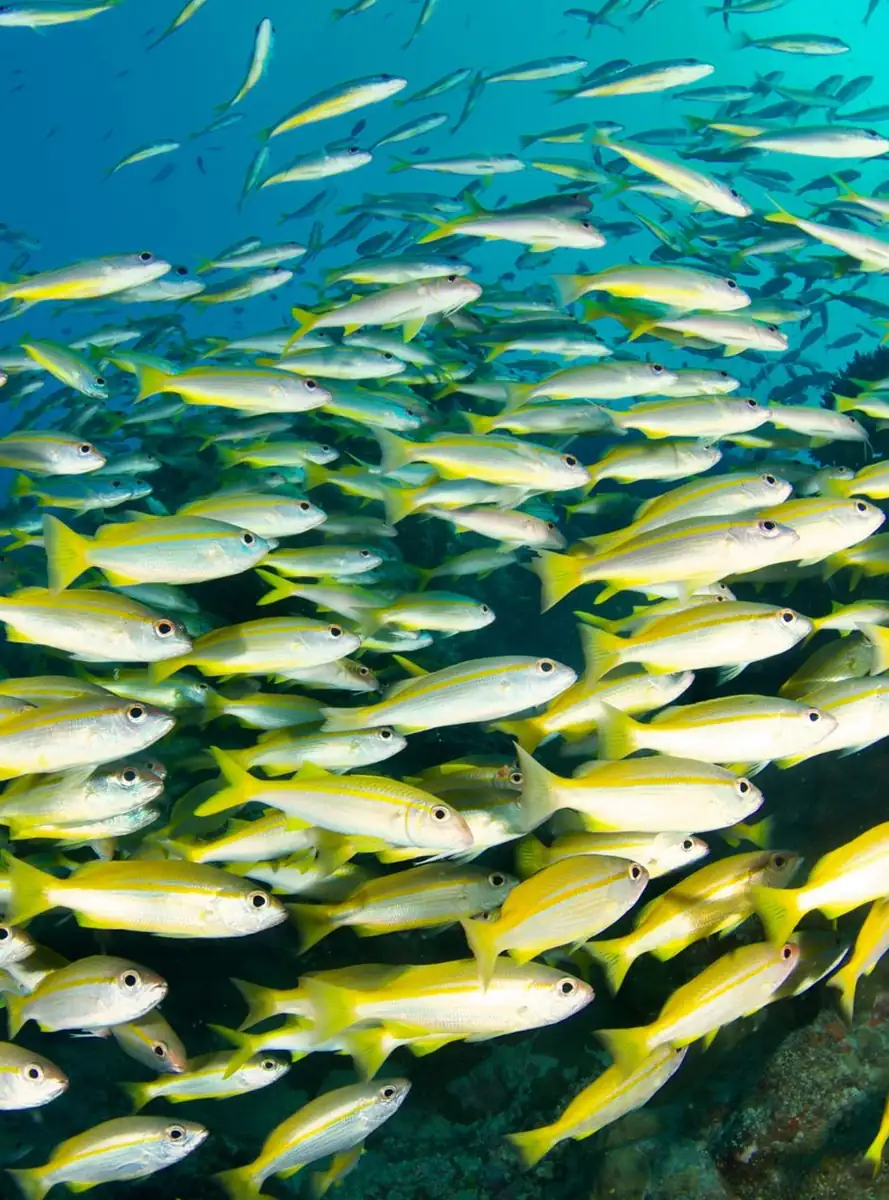
A bad itinerary looks like this:
- Last dive at 10 am, then fly out at 4 pm, six hours later
- That is just not enough time – your body needs a big break
A smarter plan, on the other hand, looks like this:
- Days 1-3: Dive like a beast
- Day 4: No diving at all
- Day 5: Fly home feeling happy and relaxed
Use that non-diving day to go explore Cairns, get some rest by the Esplanade, or enjoy some of the great dining experiences on the Great Barrier Reef without having to watch the clock – that buffer will save your post-dive health and make your departure smooth rather than frantic.
Safety Is Everything – Before You Take the Plunge
Scuba diving safety is way more than just getting the okay to fly – though that is part of it. Responsible divers are well-prepared and double-check their gear.
Before each dive:
- Make sure you’ve got your open water diving qualifications or certification sorted.
- Do a proper buddy check – it’s the foundation of safe diving.
- Make sure all your dive equipment is in good nick – don’t take any chances.
- Take a good look at planned dive time – we’re talkin’ checklists here.
- Do a self-assessment of your physical state before the dive. Can’t stress it enough.
Even a beginner should be aware of airway control and get guidance from a qualified instructor during an intro dive.
You can’t get away from the fact that having solid training as a diver will save you from a whole lot of risk, all the way from getting underwater to getting back to the surface.
Insurance Is The Right Move
When you’re doing something that could go wrong, it’s smart to have a backup plan. Get insurance before you head out – it can be a lifesaver.
World Nomads offer some pretty comprehensive policies that cover:
- Emergency medical costs
- Medevac – that’s an emergency airlift to the hospital
- If your trip gets cut short or you need to cancel because of an emergency, you’re covered there, too
Some of the plans they offer will cover scuba diving – but it always pays to double-check with the insurance company and read the fine print. In some cases, you might need a medical report or a police report to make a claim.
Decompression sickness is expensive to treat – and that’s where proper insurance can save the day.
Does Shallow Diving Really Leave You Safe?
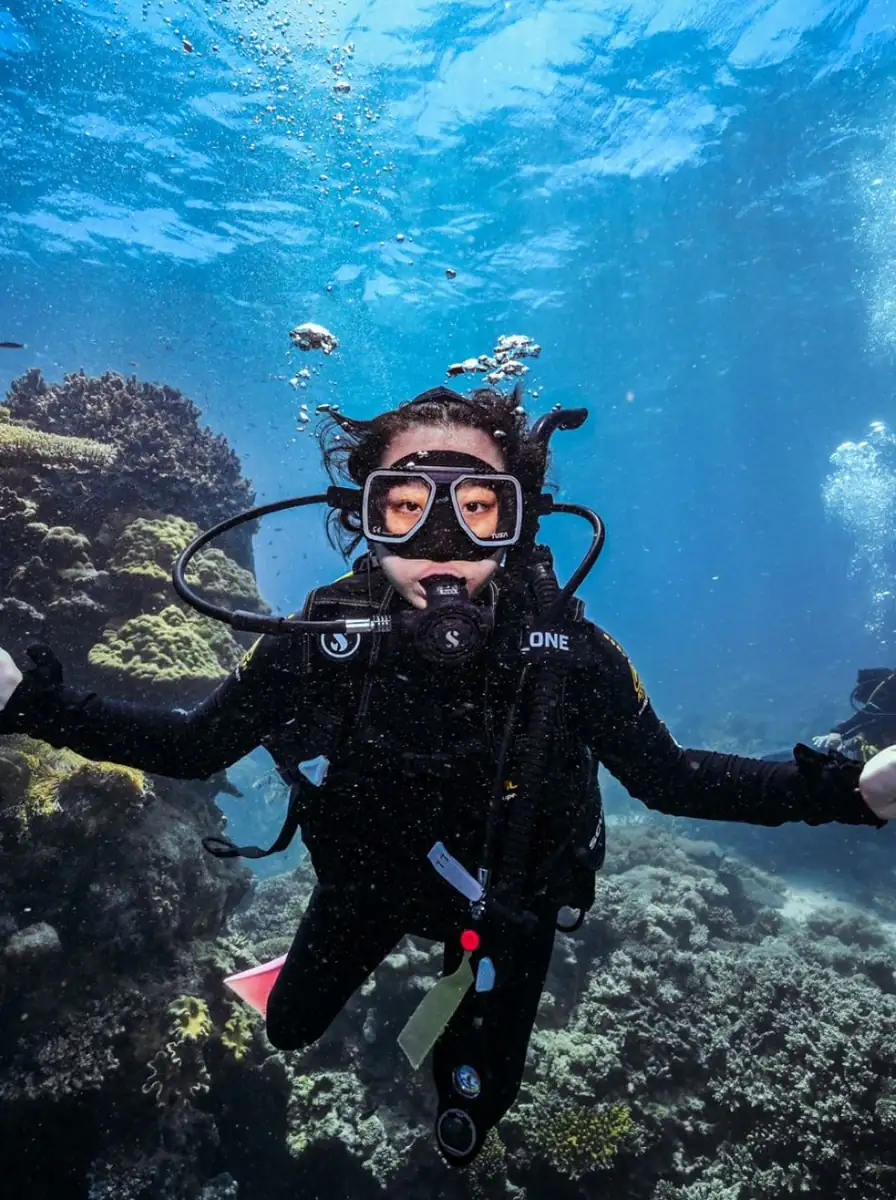
No way – it’s a myth. Even shallow dives can cause nitrogen to build up in your body – that’s why altitude tables and dive computers use depth and time to calculate your exposure risk. It might be lower, but risk is never zero.
Even if you’re just snorkelling, observing marine life from the surface, or just enjoying some time near the surface, you still need to make sure you surface safely after the dive.
Same Safety Rules Apply Everywhere
Pressure is the same, no matter where you are – and nitrogen behaves the same way wherever you dive. So the same principles apply whether you’re:
- in the Red Sea near Sharm El-Sheikh
- cage diving with sharks
- exploring a cave system
- doing a themed dive like Sharks in the Dark
So keep your wits about you, and don’t get caught out by the rules of physics.
Health Screening And Personal Responsibility
Before you even get in the water, take a good, hard look at your health – especially if you have any breathing or heart problems. A bit of honest self-reflection about your medical situation is key to scuba diving safety, folks.
The experts in hyperbaric medicine all agree that if you’ve got certain health conditions, you need to be super careful about diving. And don’t forget post-dive health checks – they’re just as important as following the rules underwater.
Preparing For Flight After Your Last Dive
After your final dive is done:
- Double-check that at least 24 hours has passed before you get on a plane (18-24 hours is the general rule of thumb).
- Make sure you’re drinking plenty of water.
- And please don’t even think about having a drink (we mean, not even a small one!).
- Keep an eye out for any unusual signs or just plain tiredness.
- If you do start to feel off, get yourself to a doctor – and don’t wait for symptoms to get worse.
If you start to feel bad on a flight, just tell the cabin crew straight away. Emergency procedures are in place, but the best thing is to avoid problems in the first place.
Paul’s Parting Words
Flying after diving is all about being patient. When you dive, that nitrogen gets into your system – and then it’s all about how quickly it comes out again. Ascending slowly & doing your safety stops helps a lot, but it still takes some time for the body to clear the rest.
Make sure you build that 24-hour gap into your planning, follow the safety rules & respect your buddy system (and don’t forget to sort out good travel insurance – like with operators who really care about scuba diving safety, like Great Barrier Reef Tours).
The point of adventure is to get back home with some amazing stories about coral reefs & marine life – not to be worrying about getting some hyperbaric treatment.
Dive smart, fly later & arrive home with memories – not medical bills!
FAQ
How long should I wait after a few days of diving?
Minimum 18-24 hours, but 24 is the safer bet. The more you dive over several days, the longer you need to wait.
Can my dive computer replace my need to be cautious about my flight time?
No way. Your dive computer will sort out your dive profile and give you the right decompression stops, but you still need to stick to a pre-dive waiting period.
Does feeling fine mean I’m safe to fly?
No, it doesn’t – you can still get decompression sickness hours later.
Are short domestic flights really safer?
Nope – it’s the drop in pressure that matters, not the distance you’re flying.
Is travel insurance really essential for reef diving?
Absolutely, it is – make sure you’ve got a policy that covers scuba diving & medical emergencies.